
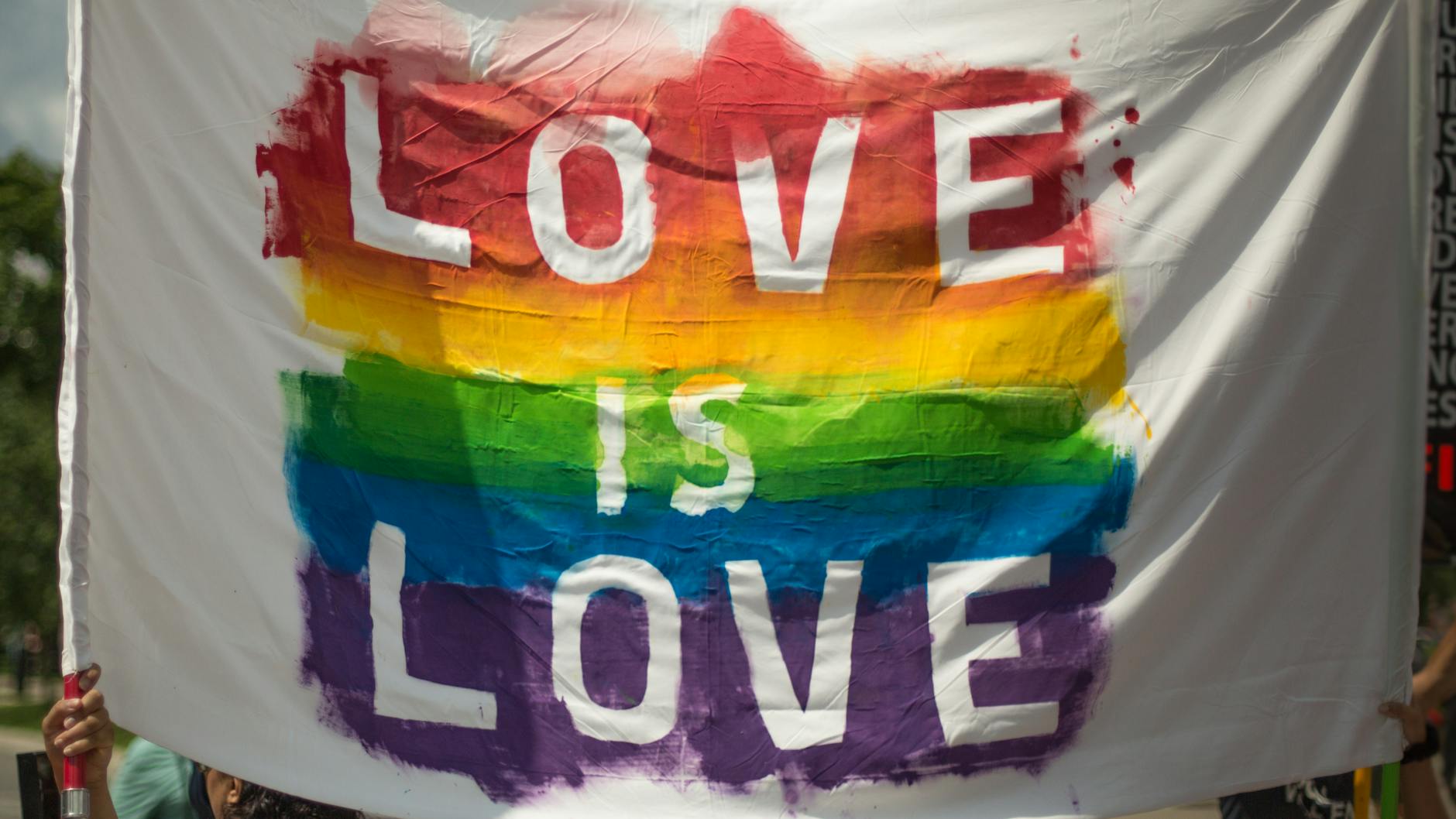
Why Representation Matters (Yes, Even When We’re Tired 😅)
Let’s start with the obvious: representation isn’t about checking a diversity box or adding a cute rainbow to the flyer. It’s about survival. It’s about visibility. It’s about walking into a room and not feeling like you accidentally RSVP’d to the wrong century.
Representation for Black and BIPOC lesbian and queer women matters because visibility affirms identity, builds belonging, and challenges systems that have historically tried very hard to pretend we don’t exist. (Spoiler alert: we very much do.)
When we see ourselves reflected in leadership, media, community spaces, and policy conversations, something powerful happens. We exhale. We show up more fully. We stop shrinking. And when we stop shrinking? The whole community expands.
The “Isms” Are Isming
Now, let’s be honest. Being a Black lesbian in the United States in early 2026 can feel like playing intersectionality bingo. Racism? Check. Sexism? Check. Heterosexism? Check. Add a sprinkle of economic inequality and a dash of political uncertainty, and you’ve got a full card.
Between shifting political landscapes and proposals like Project 2025 that threaten to roll back federal protections, it can feel… heavy. And if my perspective sounds a little jaded, I prefer to call it “reality-based with a side of discernment.”
We are navigating layered systems that weren’t built with us in mind. Sometimes they weren’t built with us in the blueprint at all.
And yet.
Here’s the Plot Twist
Despite erasure, despite resistance, despite being overlooked in spaces that claim inclusion, Black and BIPOC lesbian and queer women continue to lead, organize, create, parent, heal, build, and love out loud.
We are not new to resilience. We practically invented the masterclass.
Grassroots organizing is alive and well. Mutual aid networks are thriving. Community spaces are being reclaimed. Leadership is emerging in ways that are grounded, embodied, and deeply accountable. There is a powerful shift happening toward recognizing lesbianism—especially within a sapphic framework—as visible, valid, and worthy of celebration.
And that? That is groundbreaking.
Why It Matters for Everyone
When Black lesbian and queer women are visible, everyone benefits.
Our lived experiences sharpen conversations about justice.
Our leadership deepens collective care.
Our creativity expands what’s possible.
Our honesty disrupts performative inclusion.
Representation doesn’t just help those being represented. It strengthens the entire ecosystem. It makes community more honest, more resilient, and more capable of holding complexity.
And if we’re going to build anything sustainable in 2026 and beyond, complexity is not optional.
So Yes, Representation Matters
It matters when a young person sees someone who looks like them living openly and thriving.
It matters when leadership tables reflect the full spectrum of lived experience.
It matters when policy decisions consider the most impacted, not just the most visible.
It matters when we stop treating Black and BIPOC lesbian and queer women as an afterthought—and start recognizing us as architects of culture, strategy, and survival.
Is the world perfect? Absolutely not.
Are the systems flawless? Hardly.
Are we still here? Undeniably.
And not just here. Leading. Loving. Organizing. Laughing. Thriving anyway.
Representation matters because we matter. And when we show up fully, the world gets a little more honest, a little more just, and a lot more interesting. ✨
 Dawn M. Edwards