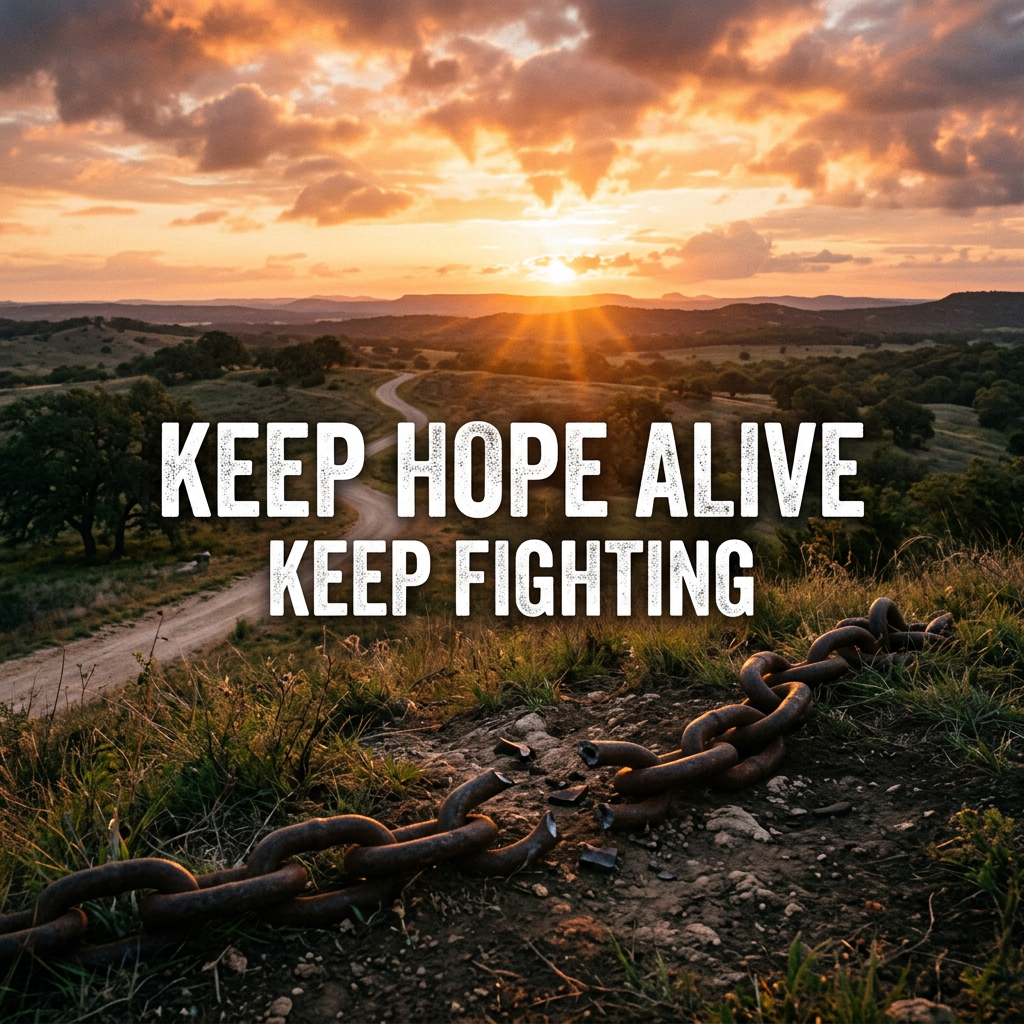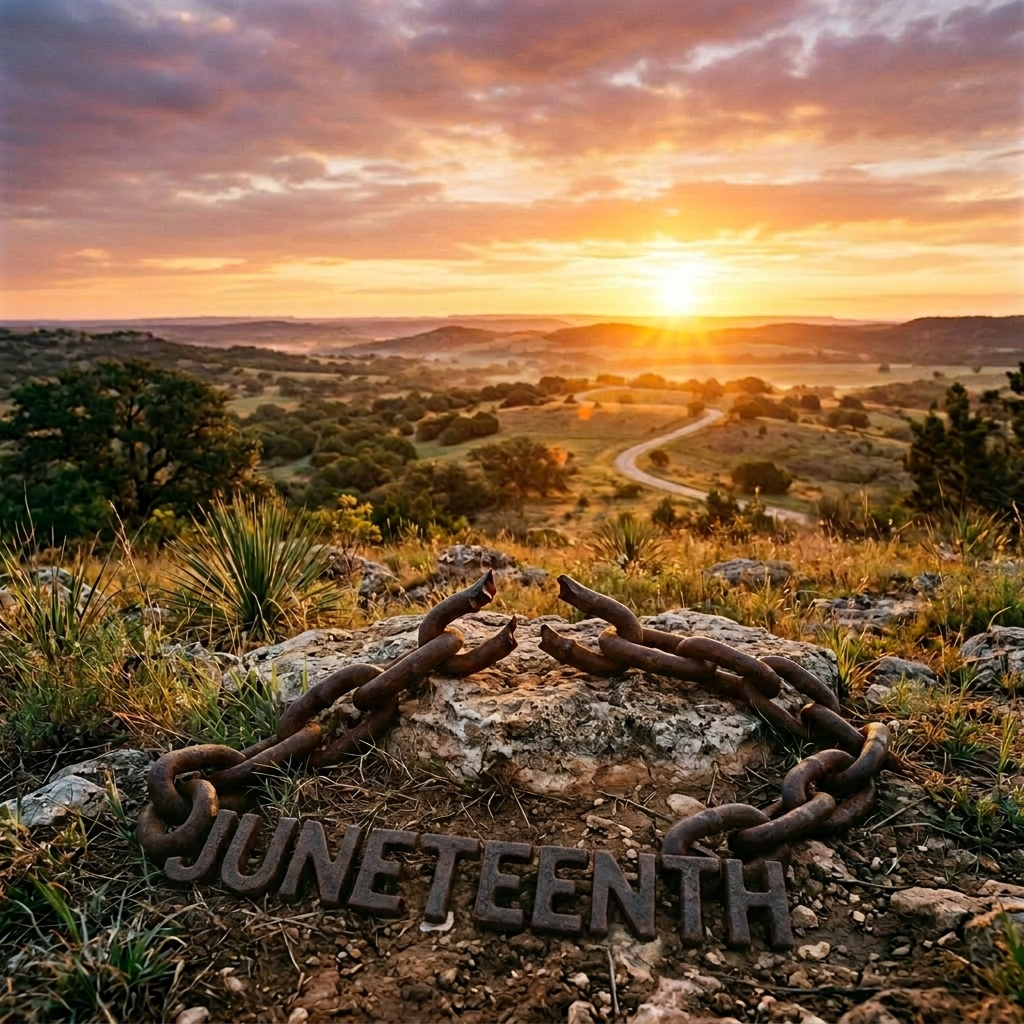
Every year around this time, folks fire up the barbecue, and post inspirational quotes about freedom. And while I fully support good food and a reason to gather with community, Juneteenth deserves more than a quick social media post and a sale at your local department store.
Juneteenth is often described as the day slavery ended in America. But like most things involving race in this country, the truth is a little more complicated.
When the Civil War ended in 1865, hundreds of thousands of Black people remained enslaved. The Emancipation Proclamation had been signed more than two years earlier, and yet freedom was still little more than a rumor for many people living in the most remote parts of the Confederacy. In places like Texas, enslavers weren’t exactly rushing to share the news that their free labor force was no longer legally theirs. Funny how information moves slowly when it benefits those in power.
Juneteenth commemorates June 19, 1865, when Union troops arrived in Galveston, Texas, and announced that enslaved people were free. Think about that for a moment. Freedom existed on paper, but it took two and a half years for some people to experience it in reality.
If we’re being honest, that delay tells us a lot about America.
Juneteenth is not just a celebration of freedom. It’s also a reminder that justice for Black people has almost always arrived late. We have spent generations fighting for rights that should never have been denied in the first place. We have organized, protested, marched, voted, litigated, educated, and advocated—only to be told repeatedly to wait.
Wait for freedom… Wait for equality… Wait for opportunity… Wait for justice.
And even after emancipation finally arrived, Black communities were met with new systems designed to limit that freedom. Reconstruction gave way to racial terror, lynching, Jim Crow laws, voter suppression, housing discrimination, economic exclusion, and mass incarceration. The methods changed, but the struggle for full freedom continued.
That is why Juneteenth matters.
It reminds us that progress is rarely handed over willingly. It reminds us that freedom without enforcement is fragile. And it reminds us that the distance between what is promised and what is delivered can have life-changing consequences.
But Juneteenth is also about resilience.
Because despite every attempt to silence us, erase us, or delay our progress, Black communities have continued to build, create, lead, innovate, and thrive. We have found ways to celebrate even when circumstances gave us every reason not to. We have turned survival into culture, resistance into movement, and hope into action.
So yes, celebrate Juneteenth.
Celebrate the ancestors who never stopped believing freedom was possible.
Celebrate the generations who fought to make freedom real.
Celebrate the progress we’ve made.
But don’t forget the lesson embedded in the holiday itself: freedom delayed is still freedom denied.
And there is still work to do.